

About those Dad Books
This is the 326th edition of SHuSH, the newsletter of The Sutherland House Inc. If you’re new here, press the button—it’s free:
Sutherland House is always happy to receive submissions of manuscripts or proposals for nonfiction books. If you are looking to get published, contact submissions@sutherlandhousebooks.com. Agents welcome, but no agent required.
The Wall Street Journal ran a piece last month on the death of Dad books, the Father’s Day specials—books about “some little-known chapter of World War II, the sweeping narrative of a shipwreck, perhaps the latest presidential biography.”
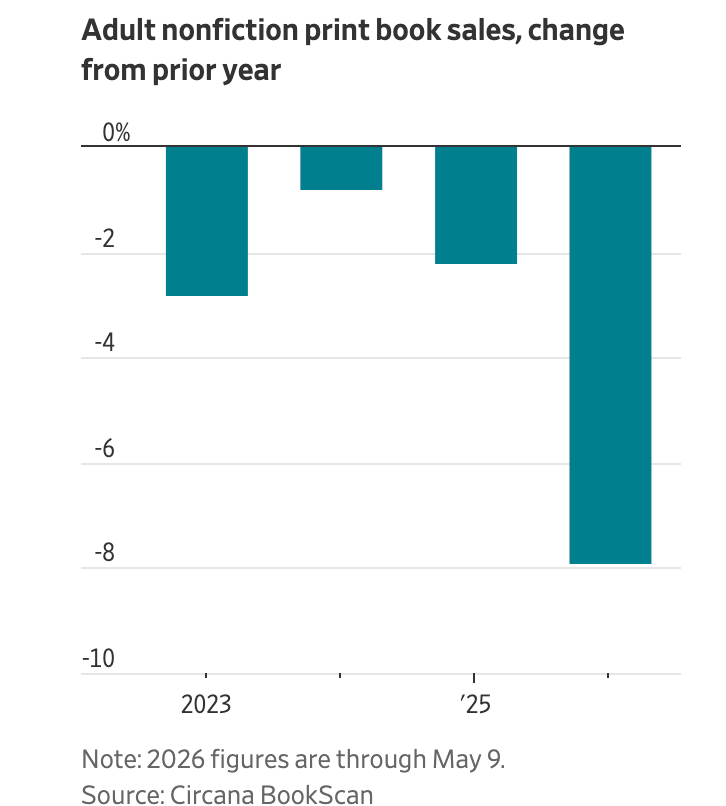
Here’s what it gave for evidence. Nonfiction book sales have declined for four years, including an 8 percent drop this year up to May 9.
Sales of Books about politics and current affairs are down 19 percent in those same four months and nine days in 2026. The article quotes, among others, former Simon & Schuster publisher Jonathan Karp saying that “this is a sea change and people should wake up and realize we’re living in a new world.”
The new world is one with “an endless supply of Substack newsletters, Netflix documentaries, YouTube videos and podcasts that offer the kind of fresh reporting, sharp analysis and historical perspective once limited doorstop-size books.”
Jonathan Burnham of Harper Group adds that all these alternatives to books make “the idea of sitting down with a 700-page Ron Chernow book less appealing. You’ve scratched that itch.”
The WSJ noted that Chernow’s recent biography of Mark Twain, published last spring, is underperforming his 2017 biography of Ulysses S. Grant.
There was an obligatory quote from Barnes & Noble CEO James Daunt, who attributed the decline in serious nonfiction sales to the fact that everyday events are all-consuming: “The world is exceptionally interesting right now and when that happens the nonfiction reader is reading the news instead.”
As someone who publishes a lot of Dad books, i.e., serious researched nonfiction, histories and biographies, that sort of thing, I read the article with concern. In fact, I read it twice.
I felt much better after the second reading.
Let’s start with the chart. The first four months and 9 days of 2026 are doing all the work here. A decline of 1 to 2 percent in the years 2023 to 2025 is statistical noise. Circana BookScan numbers don’t include audiobooks, which have been rising steadily in popularity. The very slight decline in sales for the first three years might be entirely attributable to format shifting, hardcopy to digital audio. The 8 percent decline in the first four months of 2026 looks more ominous, but book sales figures are always lumpy, never a straight line. A four-month sample tells you nothing.
The greater problem with the chart is that it is counting adult nonfiction book sales, not Dad books. There are any number of ways to cut Circana BookScan data, but the broad adult nonfiction category contains a vast array of books. Books for men, books for women, books for everybody. Not only serious researched nonfiction, but self-help, how-to, study guides, business and personal finance, psychology and religion books, health and fitness books, parenting books, food and travel books, true crime, sports, military, essays, crafts and hobbies, memoirs, etc. There is no data cut for Dad books. So the story is backing its thesis for the death of apples with stats about oranges.
The report of a 19 percent drop in the narrower category of politics and current affairs also looks ominous, but this is one of the most notoriously cyclical genres in existence. And, again, we’re discussing a short period of four months and nine days. The new Trump era was less than a year old at the start of that period. It generally takes longer than a year to get new books from commission to sale. Ten days after the end of the period under discussion, Andrew Weissmann released Liar’s Kingdom: How to Stop Trump’s Deceit and Save America. It was an instant number-one New York Times bestseller. In so specialized a category as this, Liar’s Kingdom alone might have been sufficient to right the ship.
The only other evidence presented to support the decline in Dad books is poor Ron Chernow’s journey. His Mark Twain, with 119,259 hardcover sales, is underperforming his Ulysses S. Grant, with 381,604 sales.
I don’t know where to start. The Grant book has been out for almost a decade, Twain for a year. Not surprising that it has sold less. Also, you can’t compare major political biographies to major cultural biographies. David McCullough’s biographies of Truman and Adams far outsold his book about American artists and writers in Paris. And while I’m a fan of Chernow, his Twain book isn’t his best work. He received polite and generally positive reviews, but they noted that the book is overly long—the word “exhaustive” surfaces repeatedly—and that he doesn’t entirely succeed in bringing Twain to life. Grant is a superior book, and the more enjoyable read, too, if customer reviews are anything to go by. The Twain sales prove nothing.
So we don’t really have any evidence at all that Dad books are in trouble, that they’re getting swamped by podcasts or current events, and certainly not that there’s been “a sea change” and that we’re living “in a new world.”
Amusingly, the literary world was flooded with hot new Dad books coincident with the WSJ’s declaration of their death.
Just before the Journal’s arbitrary May 9 cutoff, Craig Fehrman published the 550-page, impeccably researched This Vast Enterprise: A New History of Lewis & Clark. It debuted on the New York Times bestseller list May 10, along with Last Branch Standing, Sarah Isgur’s new study of the Supreme Court.
I already mentioned Andrew Weissmann’s bestselling Liar’s Kingdom, released May 12. Astrophysicist Neil deGrasse Tyson’s Take Me to Your Leader came out that same day and instantly made the New York Times bestseller list.
David Sedaris’s The Land and Its People followed by about a week and shot to number one on the Times’ list. Lois Romano’s extraordinary An Inconvenient Widow: The Torment, Trial, and Triumph of Mary Todd Lincoln came out May 19 and also made the list, along with Melissa Murray’s Annotated Guide to the US Constitution, which debuted at number three. Theo Baker’s takedown of the Stanford/Silicon Valley establishment, How To Rule the World, debuted May 19, another instant New York Times bestseller.
H. W. Brand’s American Patriarch, a biography of George Washington, was released May 12. It hasn’t hit the Times list, but it’s selling strong on Amazon and is as much a Dad book as it’s possible to write.
I think retailers should be well-supplied with gift ideas for Father’s Day this year. And there’s more to come. Such proved Dad authors as Candice Millard, David Grann, Erik Larsen, Patrick Radden Keefe, and Walter Isaacson are all still writing. Gladwell’s The American Way of Killing, on US gun violence, Nathaniel Philbrick’s The Rush: California Gold, the Civil War, and the Making of the Modern World, Walter Stahr’s major biography of William Howard Taft, Andrew Roberts’s Napoleon and his Marshalls: Victory, Rivalry, Betrayal, and Michael Lewis’s Blockers: Rebels in the Deep State, promise a particularly strong fall season for Dad books.
As for podcasts, etc., they are mostly a godsend for books, the best substitute we have for lost book review sections in newspapers and magazines. I imagine there will be thousands of hours of podcasts produced to promote the titles mentioned above.
None of the above is intended to suggest there are no problems in the world of serious nonfiction. We discuss them here on the regular. It does appear that while the hits keep coming, the mid-list is thinning, although I’m not sure how to quantify that. It’s certainly more difficult than ever to build a career as a writer of such books. I’d just be hesitant to describe it as a problem of demand. Men will still read good books.
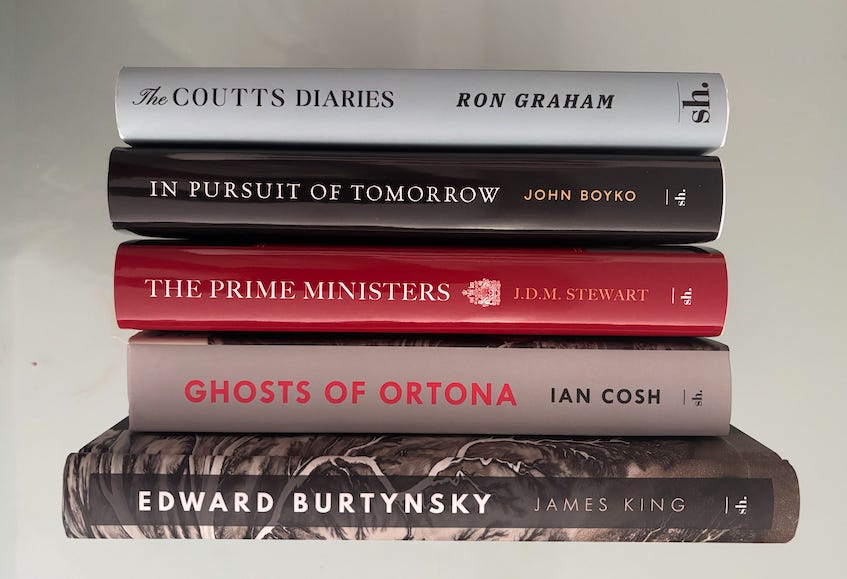
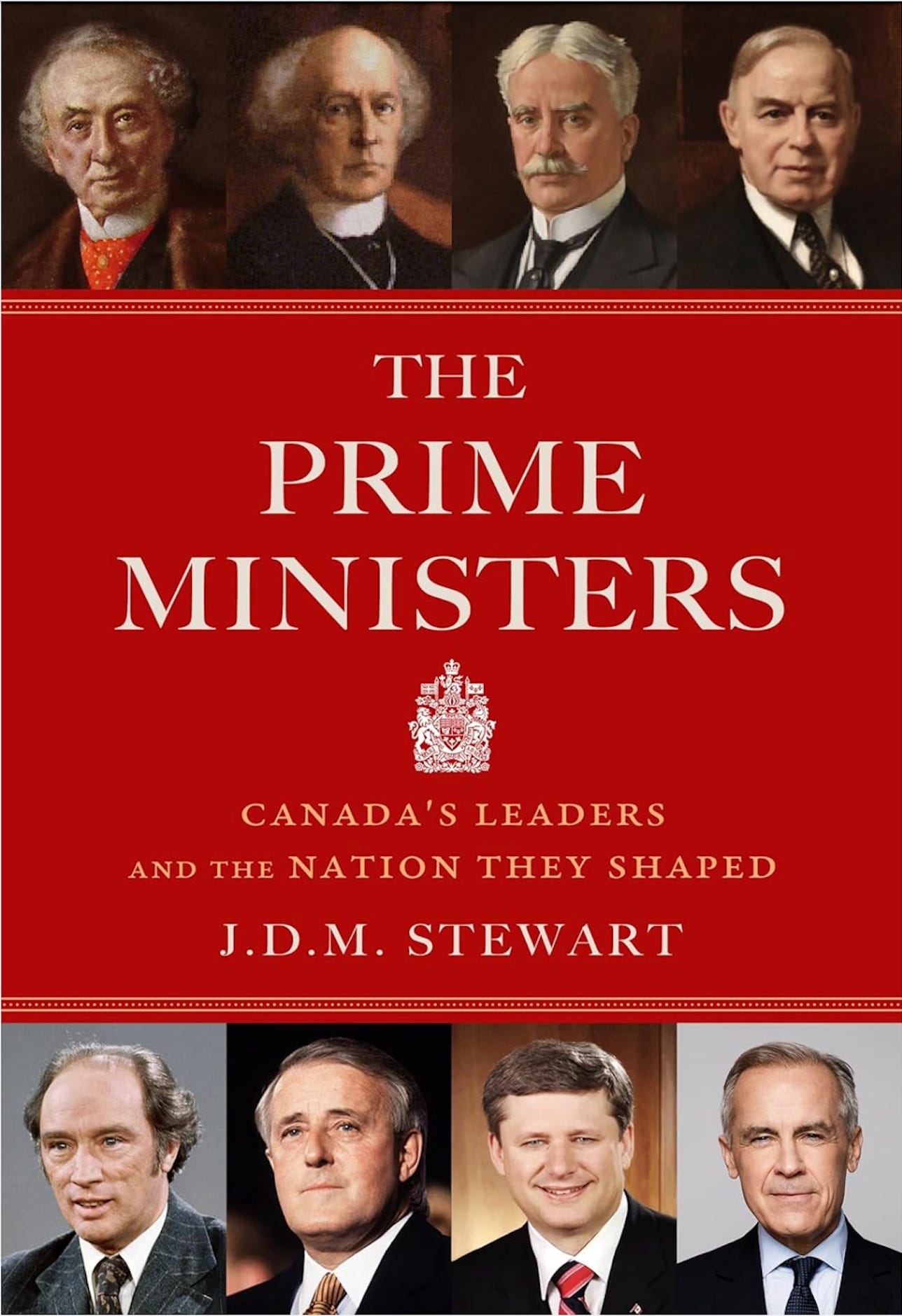
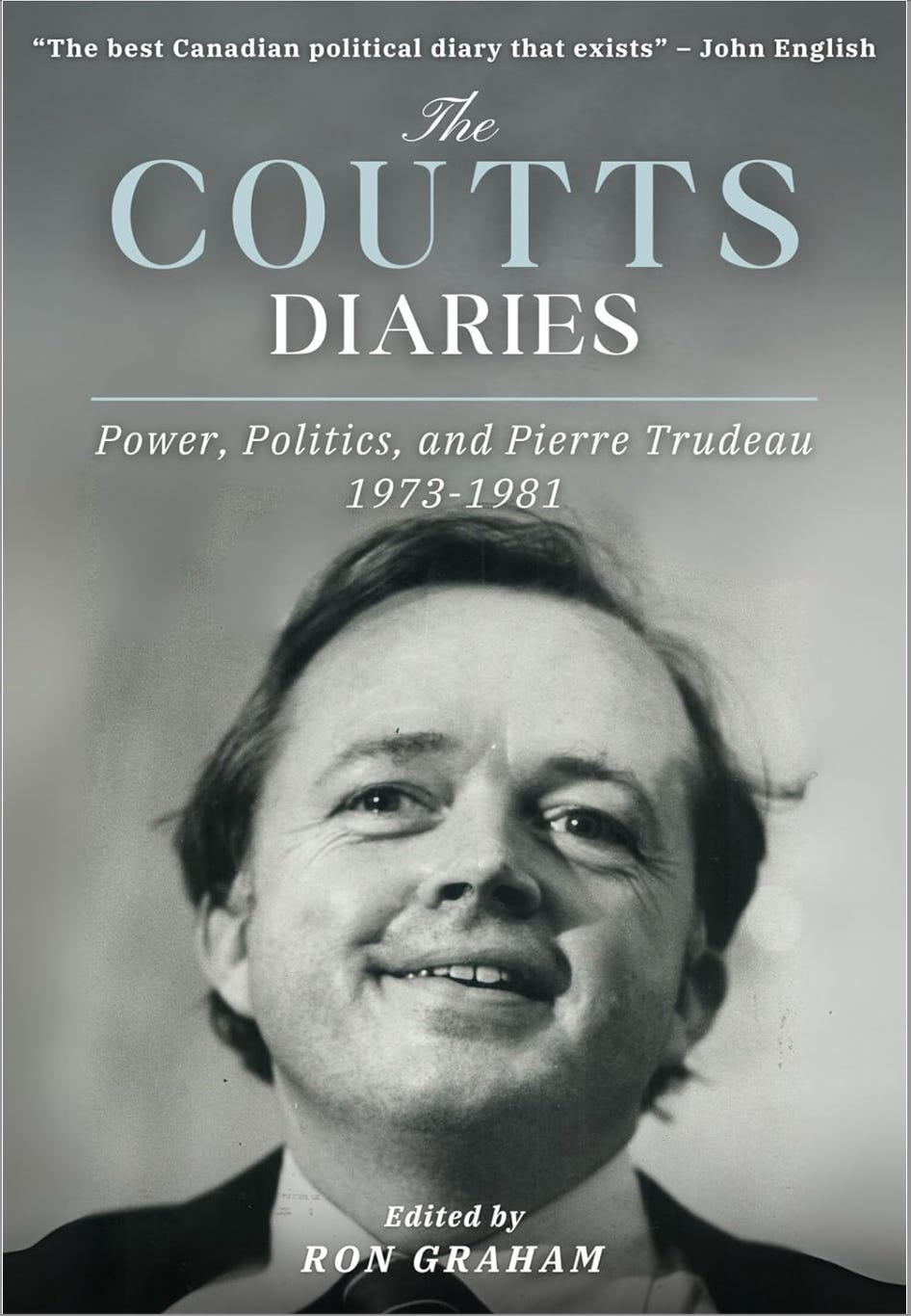
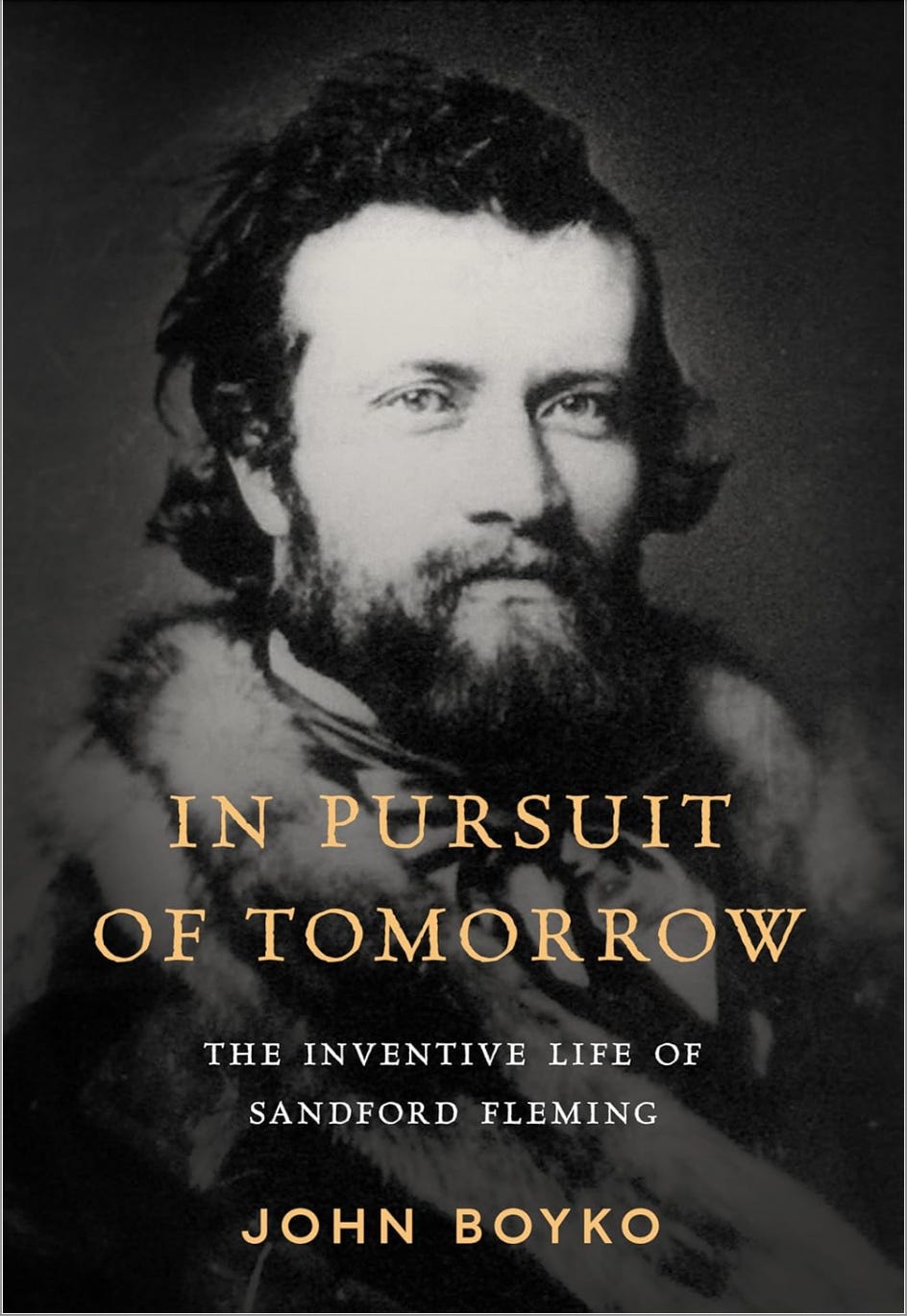
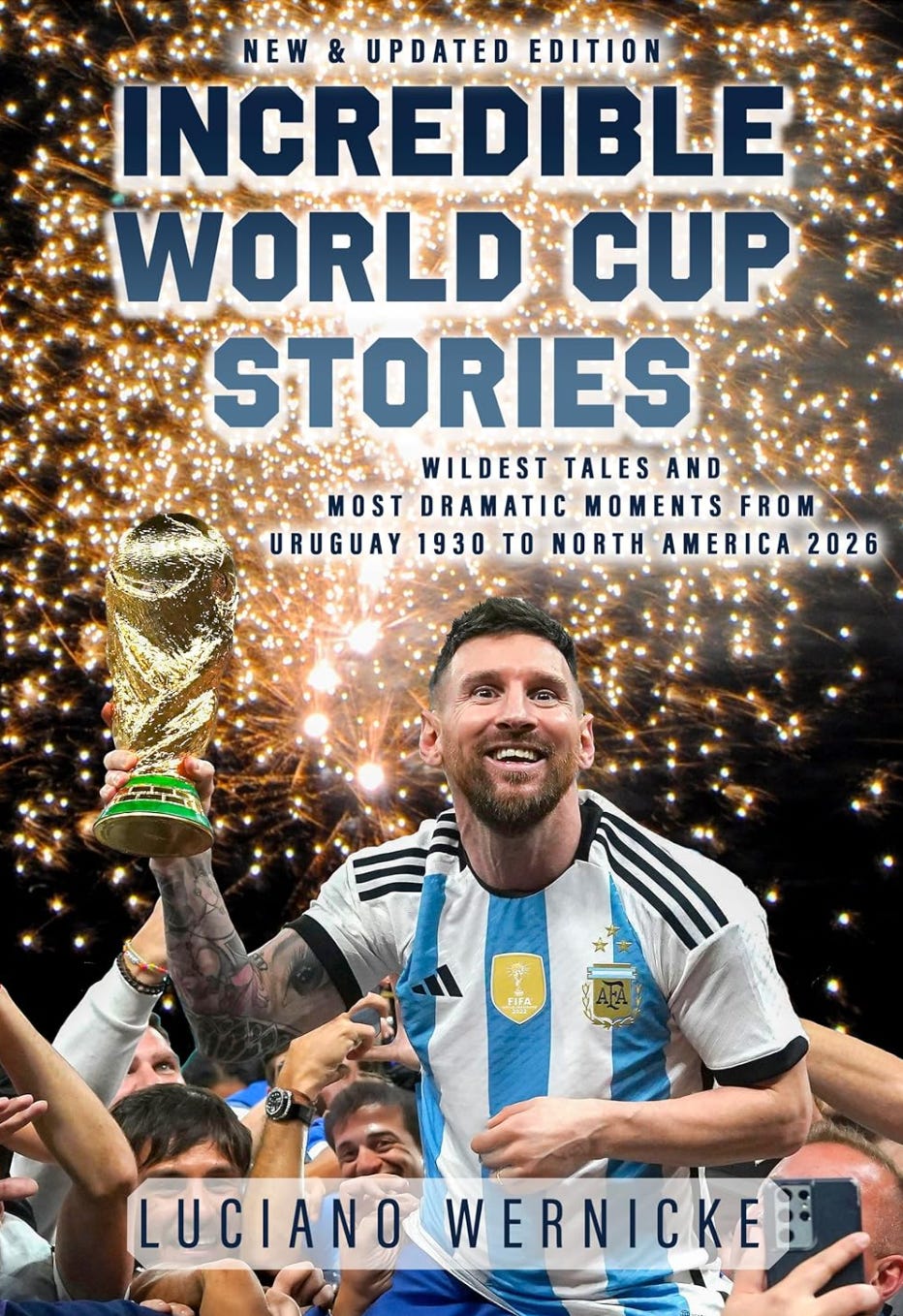
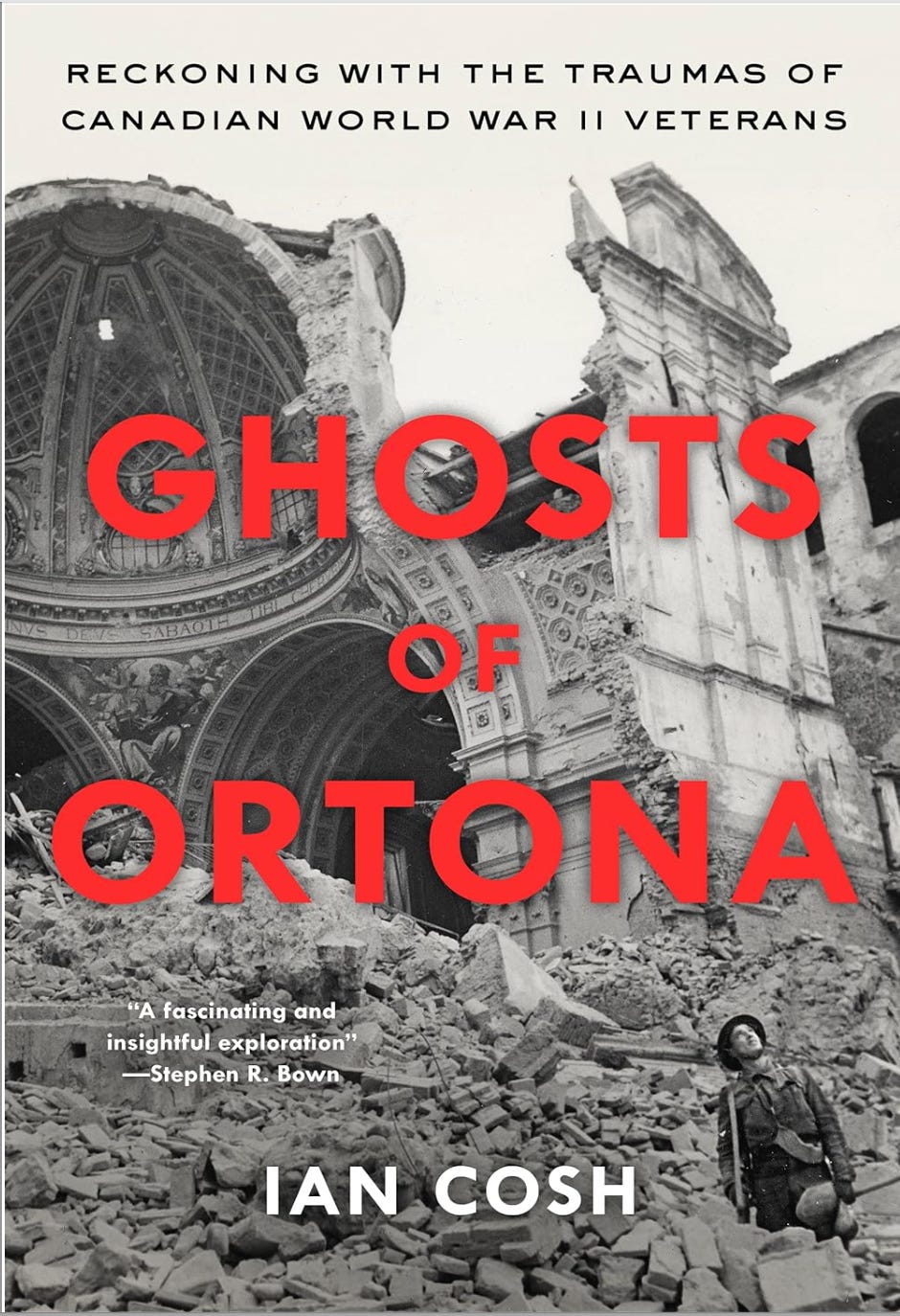
Meanwhile, Father’s Day is coming soon! Here are some of Sutherland House’s most recent Dad books. Order here:

Coming soon from Sutherland Quarterly
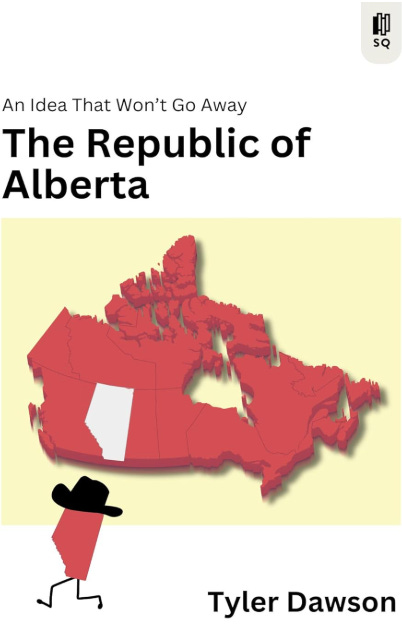
Sutherland Quarterly is pleased to announce its latest edition, Tyler Dawson’s exceptionally timely The Republic of Alberta: An Idea that Won’t Go Away:
What could the consequences be if Alberta turned its back on Canada?
In The Republic of Alberta, Globe and Mail journalist Tyler Dawson delivers the definitive history and analysis of Alberta’s long-simmering separatist movement. From its colonial roots and early resentment toward Ottawa, through the oil-fuelled grievances of the NEP era, to the rise of modern populism and convoy protests, Dawson charts a clear trajectory of Western alienation. Blending historical insight with contemporary reporting, he examines the thinkers, politicians, and cultural flashpoints that have shaped the separatist impulse. As Alberta Premier Danielle Smith courts separatist sentiment more openly than her predecessors, Dawson explores the uncertain future of a province increasingly questioning its place in Canada.
Buy your copy now or take advantage of this special offer for SHuSH subscribers: buy a subscription to Sutherland Quarterly (or treat a friend) and we’ll send you the Sutherland House book of your choice at no charge.
Launched in 2022, Sutherland Quarterly is an exciting new series of captivating essays on current affairs by some of Canada’s finest writers, published individually as books and also available by annual subscription—four great books a year, mailed to your door, for just $67.99. Subscribe now at sutherlandquarterly.com and we’ll immediately be in touch to send you the free book of your choice.
Thanks for reading. Please either:
Our Newsletter Roll (suggestions welcome)
Ian Coutts’ New Chapters, featuring new Canadian fiction
Banuta Rubess’s Funny, You Don’t Look Bookish, reviews five books a week.
The Bibliophile from Biblioasis, an independent publisher based in Windsor.
The Literary Review of Canada’s Bookworm, “your weekly dose of exclusive reviews, book excerpts, and more.”
Art Kavanagh’s Talk about books: Book discussion and criticism.
Gayla Gray’s SoNovelicious: Books, reading, writing, and bookstores.
Esoterica Magazine: Literature and popular culture.
Benjamin Errett’s Get Wit Quick, literature and other fun stuff
Lydia Perovic’s Long Play: literature and music.
Jason Logan’s Urban Color Report: adventures in ink (sign-up at bottom of page)
Anne Trubek’s Notes from a Small Press: like SHuSH, but different
Art Canada Institute: a reliable source of Canadian arts info/opinion
Kate McKean’s Agents & Books: an interesting angle on the literary world
Rebecca Eckler’s Re:Book: unpretentious recommendations
Anna Sproul Latimer’s How to Glow in the Dark: interesting advice
John Biggs Great Reads: strong recommendations
Steven Beattie’s That Shakespearean Rag, a newsy blog about books and reading
Mark Dykeman’s How About This: Atlantic Canadian interviews and thoughts on writing and creativity.
J. W. Ellenhall’s 3-Page Book Battles: Readers help her choose which of three random books to review each month.
Donald Brackett’s Embodied Meanings: “Arts music films literature and popular culture.”
As always, Sir, I have enjoyed greatly your slight window into your industry.
I have always been a fan of books (I am electronic now and on my third e-reader, likely to be replaced yet again in the near future). The fact is that when your industry does it's job well - as it usually does - provides entertainment and information that is pretty difficult to find elsewhere.
Again, thank you for your window into your industry.
I enjoy your newsletter enormously, Mr. Whyte. The background noise of left-wing politics has shielded me from Canadiana.